Energy Planning for Larger Virginia Water Estates
Mature plots, long driveways and multi-vehicle households raise different questions to a standard semi. This page covers shading, cable routing, discreet equipment placement and battery sizing for higher evening demand.
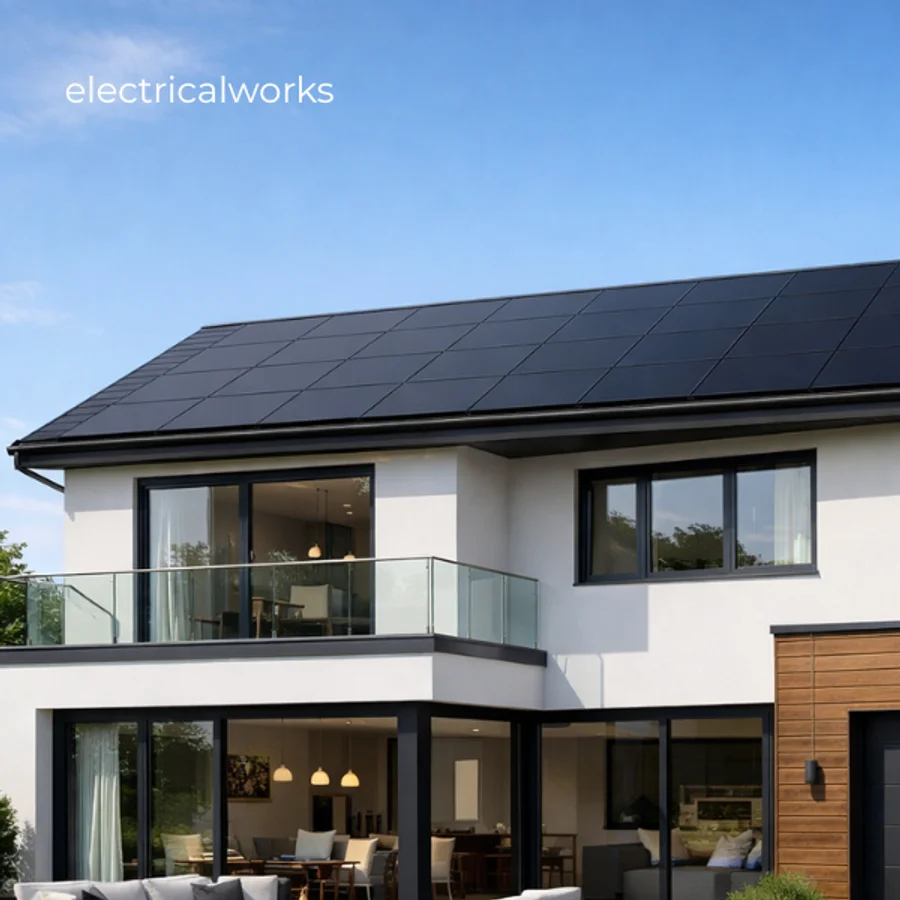
Virginia Water property context
Virginia Water and surrounding areas include substantial detached homes, often set back from the road on mature plots with established tree cover. Long driveways, multiple parking areas and annex buildings are common - all of which influence solar layout, cable routing and EV charging strategy.
Many properties also include features such as pools, home cinema rooms or extensive outdoor lighting that raise evening electricity demand well above a typical household. This is directly relevant to battery sizing - a battery specified for an average home is unlikely to reflect this kind of consumption profile.
This page is educational guidance. Solar Surrey does not claim a Virginia Water office or unverified local installation examples.
Distinct considerations for larger properties
Mature trees and shading
Established woodland and specimen trees can create significant seasonal shading. Detailed shading analysis helps determine viable array locations - sometimes across multiple roof sections or with power optimisers where appropriate.
Long driveways and cable routes
Distance between the meter, consumer unit and preferred charger location may require substantial cable runs. Trenching, ducting and future second charger capacity should be considered during planning.
Multi-vehicle charging
Households with two or more EVs need load-managed charging infrastructure. Dynamic load balancing across chargers helps protect your supply while meeting daily charging needs. See our EV charging page.
Discreet equipment placement
Inverters, batteries and external units may need placement away from principal elevations or within outbuildings. A survey should discuss aesthetic preferences alongside technical requirements.
Battery storage on larger homes
Higher overall consumption does not automatically mean the largest available battery. Sizing should reflect evening usage patterns, solar generation profile and whether you charge EVs overnight from stored energy or directly from the grid.
Battery sizing depends on actual consumption data. Read our battery sizing guide for a structured approach.
Electrical supply capacity
Larger properties may already have higher main fuse ratings, but adding solar, battery and multiple EV chargers still requires careful load assessment. Your survey should review:
- Main fuse rating and headroom
- Consumer unit age and spare capacity
- Separate supplies to outbuildings or annexes
- Earthing arrangements on larger plots
Frequently asked questions
Not necessarily. Mature trees create shading that must be assessed, but many properties have roof sections with acceptable exposure. Shading analysis during a survey identifies viable areas - and may suggest tree management as a separate consideration.
Often yes, with appropriate load management. Dual chargers or a single charger with sufficient supply headroom are options depending on your main fuse rating and charging habits. Electrical infrastructure should be assessed before installation.
A battery can help cover part of higher evening demand from pools, home cinema rooms or extensive lighting, but sizing must reflect your actual consumption rather than a standard household figure. Read our battery storage sizing guide for how this is approached.
Often yes, though a separate supply, additional metering or dedicated circuits may be needed depending on the distance and existing wiring to the outbuilding. This should be assessed as part of your technical survey alongside the main house.
Long cable runs between the meter, consumer unit and equipment location need appropriate cable sizing, ducting or trenching, and voltage drop should be checked over the distance involved. This is assessed during survey rather than estimated remotely.
Plan home energy for your Virginia Water property
Book a Technical Solar Review to discuss solar, battery storage and multi-EV charging - subject to survey.
Book a Technical Solar ReviewBy booking, you agree that GThink Ltd may contact you about your enquiry. Where relevant, your enquiry may be introduced to a suitable installation partner. See our Privacy Policy.
Not ready to book? Read our solar with EV charging guide or get in touch.