Battery Storage Is a Sizing Problem, Not a Product Choice
A battery should be sized against how your home actually uses electricity - evening consumption, tariff behaviour and future EV demand - not a generic kWh figure copied from a brochure.
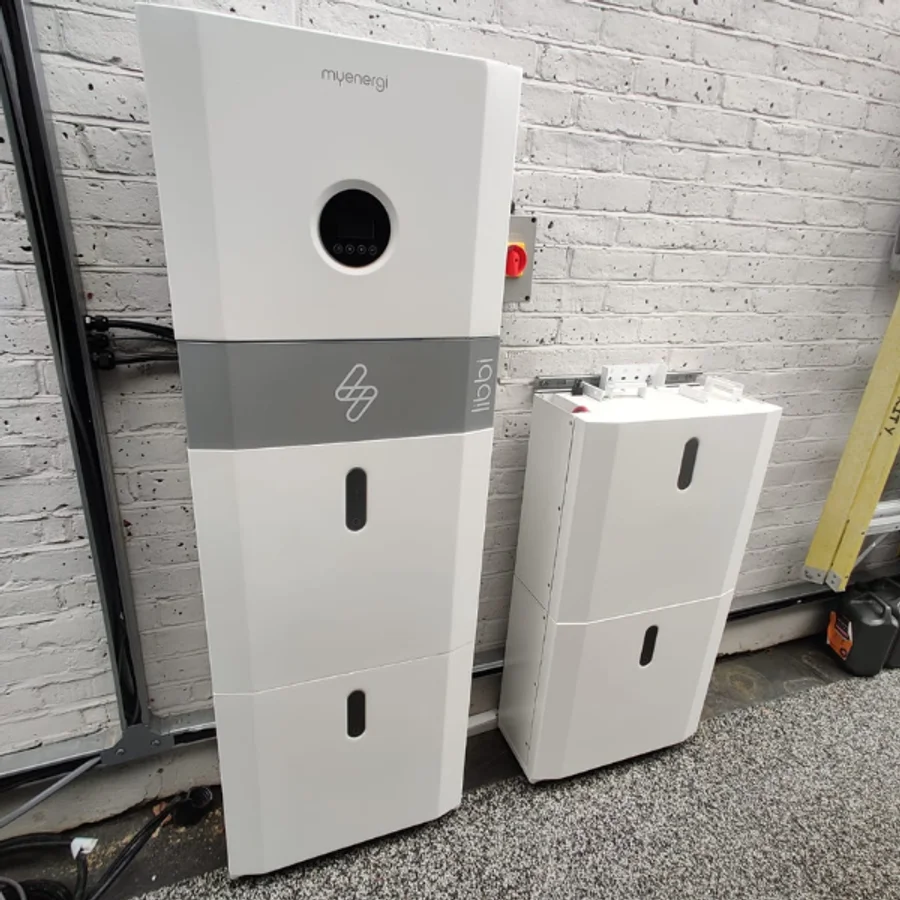
Who this guidance is for
Battery storage interests Surrey homeowners for different reasons. You may already have solar and want to use more of your own generation. You may be planning a new solar array and want storage from the outset. Or you may be on a time-of-use tariff and want to charge overnight when rates are lower.
Whatever your starting point, battery sizing depends on actual consumption data and your goals - not generic kWh recommendations copied from marketing pages.
What battery storage can - and cannot - do
Evening and overnight usage
Solar generation peaks during daylight hours, while many households use most electricity in the evening. A battery can store daytime surplus for later use, depending on your generation, consumption and battery capacity.
Smart tariff optimisation
Time-of-use tariffs with cheaper off-peak periods may allow strategic charging from the grid. Whether this benefits you depends on your tariff, usage patterns and equipment capabilities - subject to survey and tariff terms.
Retrofit to existing solar
Many properties with existing solar can add battery storage, though inverter compatibility and wiring routes must be assessed. AC-coupled and hybrid approaches each have trade-offs that should be explained clearly.
Future-readiness
If you plan to add EV charging or increase home energy use - for example through a home office or extension - battery and electrical capacity should be considered as part of a wider plan. See our Solar + Battery + EV planning overview if you are considering more than one of these together.
When battery storage may not be suitable
Battery storage is not automatically the right choice for every home. It may not be worth pursuing yet if:
- Your evening electricity consumption is already very low
- Your current tariff offers little or no benefit from shifting usage
- There is no suitable, ventilated location to install and access the unit safely
- You expect full-house backup during power cuts without understanding the added cost and complexity this involves
- Your budget would be better spent first on reducing overall electricity demand, such as insulation or efficient appliances
A technical survey should help clarify whether battery storage is a good fit for your property before you commit.
What affects battery storage cost or scope
Battery pricing and project scope vary between properties. Common factors include:
- Battery capacity and chemistry
- Inverter type - AC-coupled, hybrid or replacement inverter
- Whether you have an existing solar system to retrofit against
- Backup requirements and which circuits, if any, need covering
- Consumer unit condition and earthing arrangements
- Installation location and any access or ventilation work needed
We do not publish fixed prices or promise specific savings. Read our battery storage sizing guide for a structured way to think about capacity before your survey.
How battery storage changes the system design
There is no universal "right size" for a Surrey home. Useful factors include:
- Typical evening electricity consumption (kWh per day)
- Existing or planned solar generation profile
- Whether you want partial or broader evening coverage
- Space for indoor or outdoor battery location
- Consumer unit capacity and spare ways
- Integration with EV charging load
Read our detailed battery storage sizing guide for a structured overview.
Remember: Battery sizing depends on actual consumption data. Marketing comparisons using average UK household figures may not reflect your home. A technical survey should review bills or smart meter data where available.
Placement, access and electrical readiness
- Indoor garage, utility room or external wall mounting options
- Ventilation, clearance and fire safety requirements for your chosen product
- Cable routes between inverter, battery and consumer unit
- Discreet placement for visible elevations - relevant for many Surrey properties
- Compatibility with existing solar inverters or need for replacement
Electrical infrastructure should be assessed before installation. This is particularly important when combining battery storage with new or existing solar and EV charging.
Frequently asked questions
Often yes, but compatibility depends on your existing inverter, wiring and meter arrangement. A survey will confirm whether an AC-coupled battery, hybrid inverter upgrade or other approach is appropriate.
Not all battery systems include backup capability, and those that do may only support selected circuits. Backup features add complexity and cost. Discuss your expectations during the survey rather than assuming full-house backup.
Lifespan varies by product, usage pattern and environment. Most reputable manufacturers publish cycle life and warranty terms. Your installer should explain warranty coverage and expected performance degradation.
No. A battery that rarely fills from solar surplus or evening demand offers limited benefit relative to its cost, and takes up more space. Sizing should match your actual consumption, not the largest available product.
In most cases, yes. If you are installing solar now but are not ready for a battery, ask your installer to leave reasonable capacity and cable access for a future addition. This can reduce disruption if you decide to add storage further down the line.
Size a battery around how you actually live
Book a Technical Solar Review to discuss sizing, tariffs and integration with your existing or planned solar system.
Discuss Your Solar, Battery & EV OptionsBy booking, you agree that GThink Ltd may contact you about your enquiry. Where relevant, your enquiry may be introduced to a suitable installation partner. See our Privacy Policy.
Not ready to book? Read our battery sizing guide or get in touch with any questions.