Generation, Storage and Charging - Planned as One System
The strongest home energy systems are not solar, then battery, then EV charging bolted on separately. They are planned together from the start, so sequencing and electrical capacity matter as much as the equipment itself.
This page is a good starting point if you are planning more than one of solar panels, battery storage or EV charging for your Surrey home. It covers how the systems interact and in what order to plan them, before you look at each technology in detail.
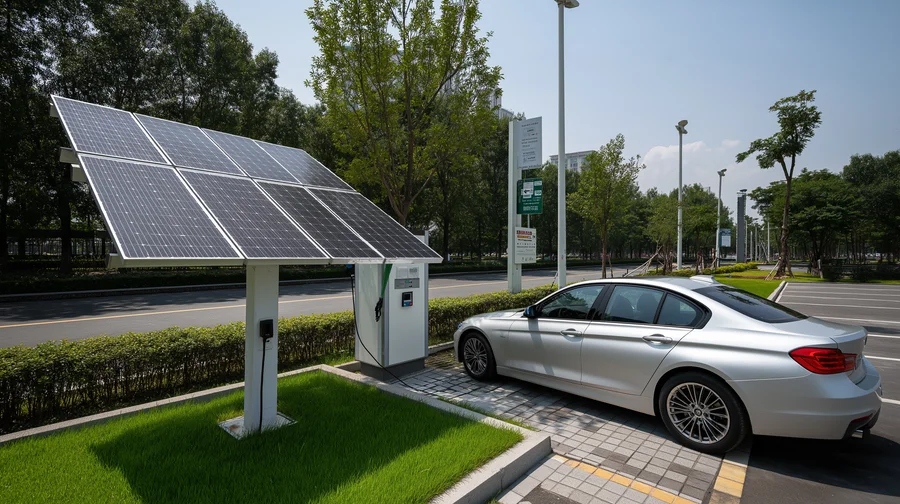
Why a fixed package is rarely the right answer
Solar panels, battery storage and EV charging each affect your home's electrical load and energy flows. Installing them in isolation - or specifying one without considering the others - can lead to undersized infrastructure, missed integration benefits or costly retrofits later.
A pre-configured package designed for an average home will not reflect your roof, your consumption or your electrical supply. For many Surrey homeowners, the real question is not whether to add each technology, but in what sequence and with what capacity - which is why a technical survey is required before anything is specified.
Start here if...
- You are planning solar panels and EV charging together, not just one of the two
- You are installing solar now but expect to add battery storage later
- You already have one EV and expect to run a second within a few years
- You are renovating or upgrading your consumer unit and want to plan capacity properly
- You want to avoid buying equipment now that turns out to be incompatible with what you add later
If you are only researching one technology in isolation, our solar panels, battery storage or EV charging pages go into more depth on that topic specifically.
How the components work together
Generation
Solar panels produce electricity during daylight hours. Output varies by season, weather and shading. Surplus generation may be exported, stored or used on-site depending on your setup.
Storage
Battery storage captures surplus solar for evening use or charges from the grid during cheaper tariff periods. Sizing depends on actual consumption data, not generic averages.
Charging
Home EV charging adds predictable high load, often overnight or during daytime if you work from home. Load management helps balance charger demand with other appliances.
Tariff optimisation
Time-of-use tariffs, export payments and smart energy platforms create opportunities to shift consumption - but the benefit depends on your actual usage, equipment capabilities and tariff terms.
We do not promise specific savings or payback periods. Where suitable, an integrated system may help you use more self-generated electricity and reduce peak-rate grid imports, depending on your roof, usage and tariff.
Electrical infrastructure behind an integrated system
Combined solar, battery and EV installations place greater demand on your electrical infrastructure. A survey should assess:
- Main fuse rating and DNO supply headroom
- Consumer unit capacity, age and spare ways
- Earthing and bonding arrangements
- Cable routes between roof, inverter, battery and charger
- Meter location and export registration requirements
Typical planning sequences
There is no single correct order - it depends on your priorities and existing infrastructure:
- Solar first, battery and EV later: Common for homeowners starting with generation. Ensure inverter and electrical capacity allow future expansion.
- All three together: Efficient when building or renovating, or when consumer unit upgrades are already planned.
- EV first, solar and battery later: May suit new EV owners who want charging immediately but plan wider upgrades within a few years.
Discuss your timeline during a Technical Solar Review so equipment choices support your longer-term goals.
This page is a planning overview covering sequencing across all three technologies. If you want a deeper look specifically at charging strategies and equipment compatibility, read our solar with EV charging guide.
Frequently asked questions
No. Many homeowners install solar alone or add EV charging without battery storage. The right combination depends on your property, usage, budget and goals. A survey helps clarify what may suit you.
Many manufacturers offer energy management platforms that coordinate solar, battery and EV charging. Compatibility varies by brand and product generation. Your installer should explain what monitoring and control you will have.
We do not make energy independence or zero-bill claims. Even well-designed systems typically remain grid-connected. The realistic goal is better use of self-generated electricity and informed load management - subject to survey and specification.
There is no single correct order. Many homeowners start with solar, some install all three together during a renovation, and others start with EV charging and add solar and battery later. The right sequence depends on your budget, timeline and existing electrical infrastructure - discuss this during your survey.
Often yes. If you install solar now without a battery, ask your installer to leave inverter capacity and cable access for a future addition. See our battery storage page for retrofit considerations.
Often yes, with appropriate load management across two chargers or a single charger with headroom for a second unit. This depends on your main fuse rating and daily charging needs, and should be assessed during a technical survey.
Solar generation is higher in summer and lower in winter, so the proportion of charging covered by solar will vary by season. You will typically still rely on grid or battery power for some charging throughout the year - this is not a zero-cost charging claim.
Plan generation, storage and charging together
Book a Technical Solar Review to discuss solar, battery storage and EV charging as a coordinated plan for your Surrey property.
Book a Technical Solar ReviewBy booking, you agree that GThink Ltd may contact you about your enquiry. Where relevant, your enquiry may be introduced to a suitable installation partner. See our Privacy Policy.
Not ready to book? Explore battery storage and solar with EV charging guidance first.